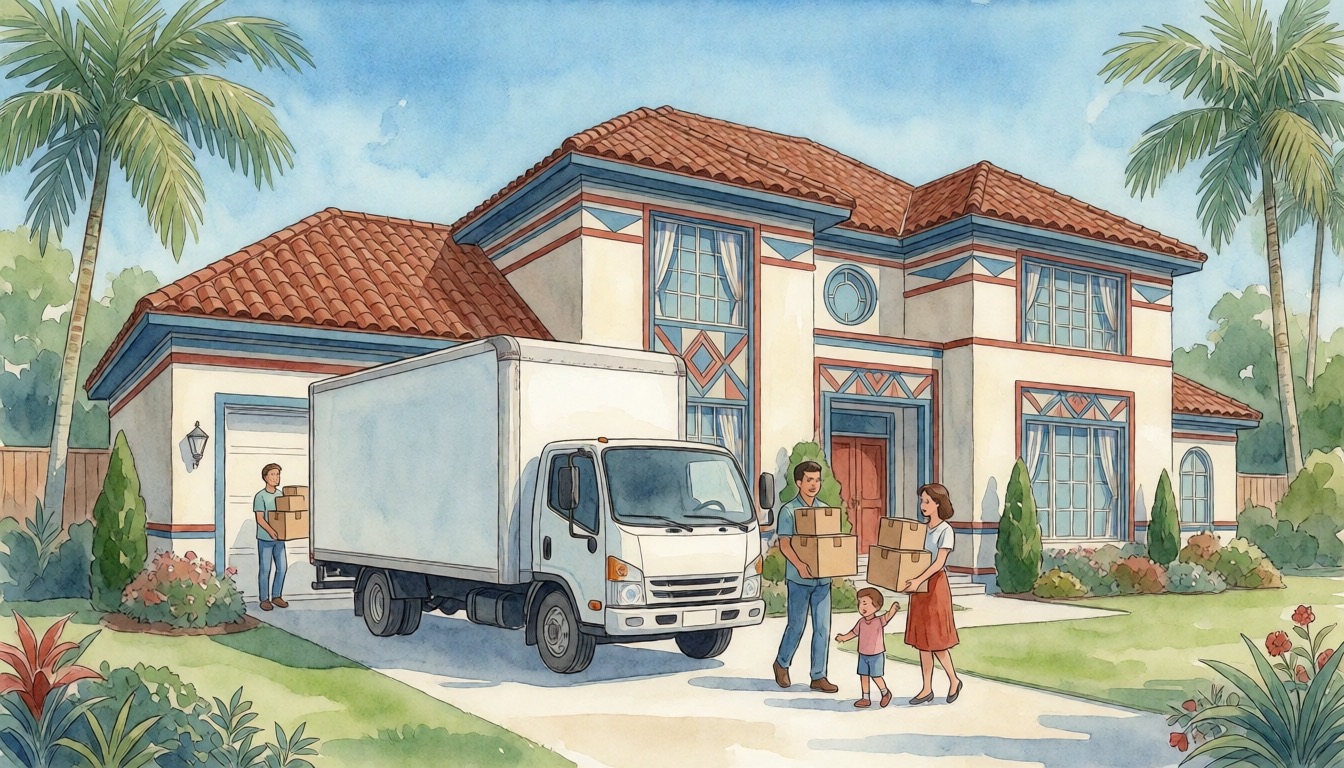
If you're weighing a move to Coral Springs, it helps to know what daily life actually feels like beyond the listings. This is a quiet, well-kept, family-centered city — and once you get a sense of the rhythm, it's easy to picture settling in. Eduardo Gil helps renters find their footing here every week, so consider this your honest orientation.
The community feel
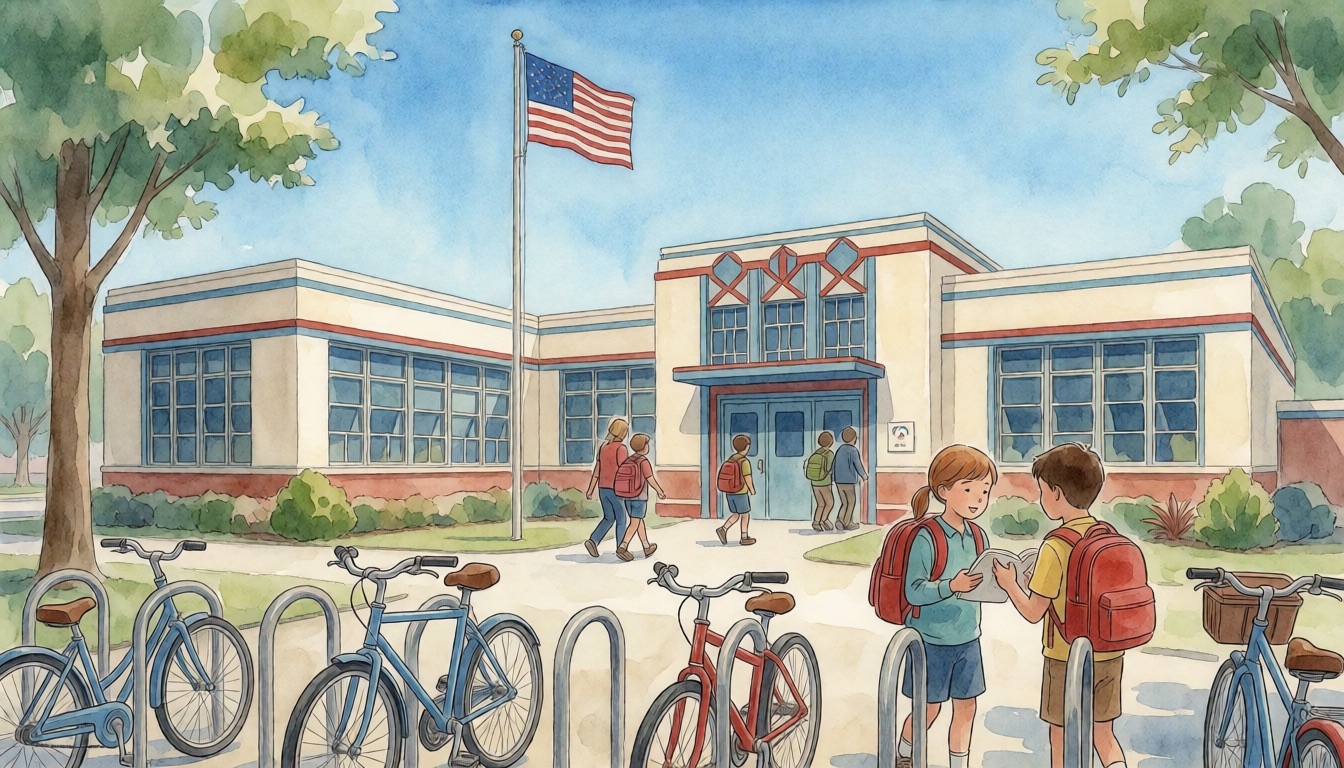
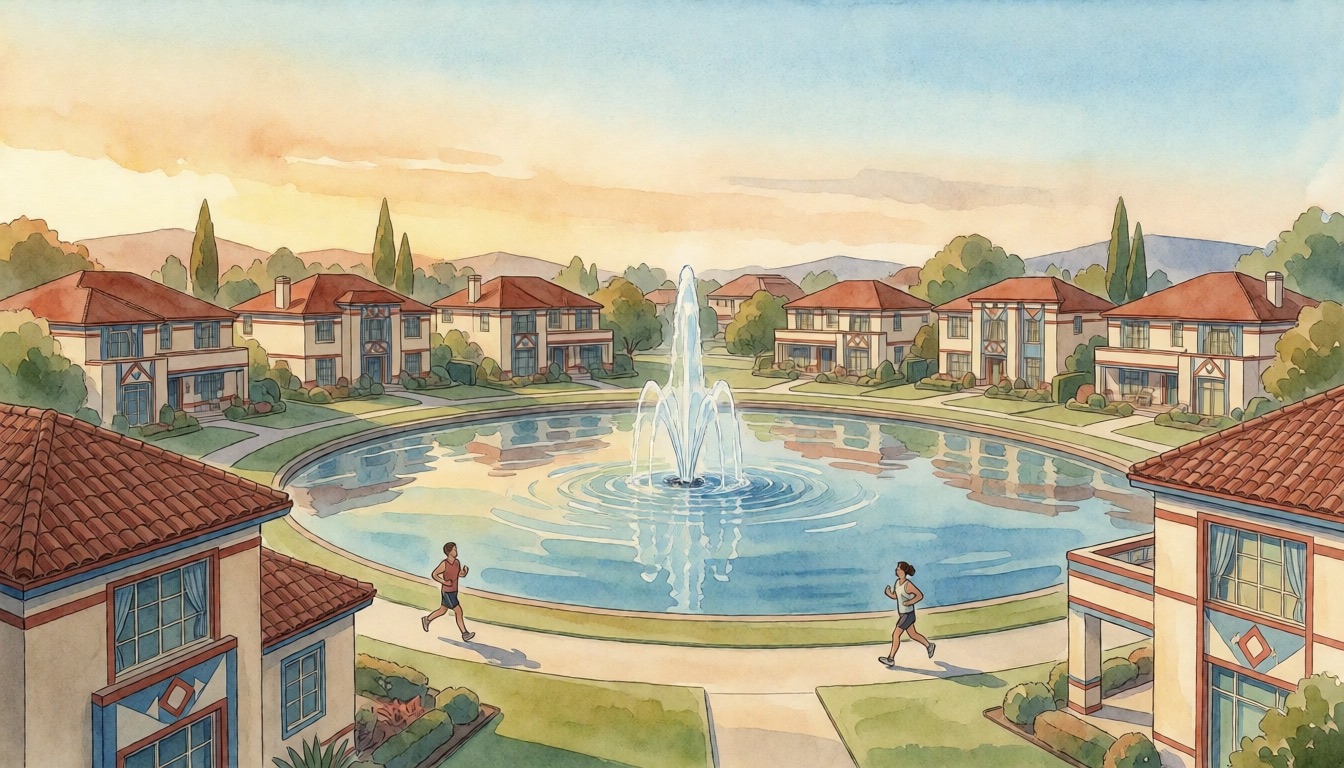
Coral Springs was master-planned, and it still carries that intentional, orderly character. You'll notice uniform landscaping, wide streets, mature trees, and a general tidiness that many newcomers comment on. It reads as suburban and residential rather than nightlife-driven — people come here for the neighborhoods, the parks, and the schools.
The population is diverse and family-heavy, with a strong sense of civic pride. Community events, weekend youth sports at the city's many fields, and cultural programming at the Coral Springs Center for the Arts give the city a genuine hometown texture despite being part of the greater Fort Lauderdale metro.
Safety reputation
Coral Springs has long been known as one of the safer cities in Broward County, which is a major reason families and first-time South Florida renters gravitate here. As always, safety varies block to block, so it's worth walking a neighborhood at different times of day before you sign. Our neighborhoods guide can help you narrow where to look.
How the city is laid out
The city sits in northwest Broward County and is easy to navigate once you learn the main roads:
- University Drive runs north–south through the center of the city and hosts a lot of shopping and dining.
- Sample Road and Atlantic Boulevard are major east–west corridors.
- Coral Ridge Drive and Wiles Road connect the northern and western neighborhoods.
- The Sawgrass Expressway (SR 869) curves along the western edge for fast regional travel.
Coral Square mall, big-box shopping, and everyday errands are all reachable within a short drive from most neighborhoods. Neighboring Parkland, Coconut Creek, Margate, and Tamarac are all a few minutes away.
The weather
South Florida's climate is warm and tropical year-round. Expect hot, humid, rainy summers and mild, pleasant winters that draw people from all over. A few realities to plan for:
- Hurricane season runs June through November. It's a normal part of life here — you'll want a basic plan and supplies, and many rentals have shutters or impact windows.
- Afternoon thunderstorms are common in summer and usually pass quickly.
- Winter is the payoff — sunny, dry, and comfortable.
Pros and cons for newcomers
Every city is a trade-off. Here's a candid look.
Pros
- Strong, well-established public and charter schools.
- An exceptional parks and recreation system for the price point.
- Reputation for safety and clean, well-maintained neighborhoods.
- No Florida state income tax and easy highway access across the tri-county area.
- Genuinely family-friendly, with year-round outdoor living.
Cons
- It's suburban — nightlife and walkable urban districts are limited compared to downtown Fort Lauderdale or Miami.
- You'll need a car; transit is limited.
- Summers are hot and humid, and home insurance runs high across South Florida (see the cost of living guide).
- Beaches are a drive, not a walk.
Is it right for you?
If you value calm, green, family-oriented living with excellent schools and quick access to the rest of South Florida, Coral Springs is hard to beat. If you're chasing walkable nightlife or oceanfront, you may prefer to live closer to the coast and treat Coral Springs as a quieter home base.
Either way, the best next step is to see a few homes in the neighborhoods you're considering. Browse current rentals, then explore things to do and the full apartments guide — and when you're ready, Eduardo can help you match the right place to your budget and daily routine.