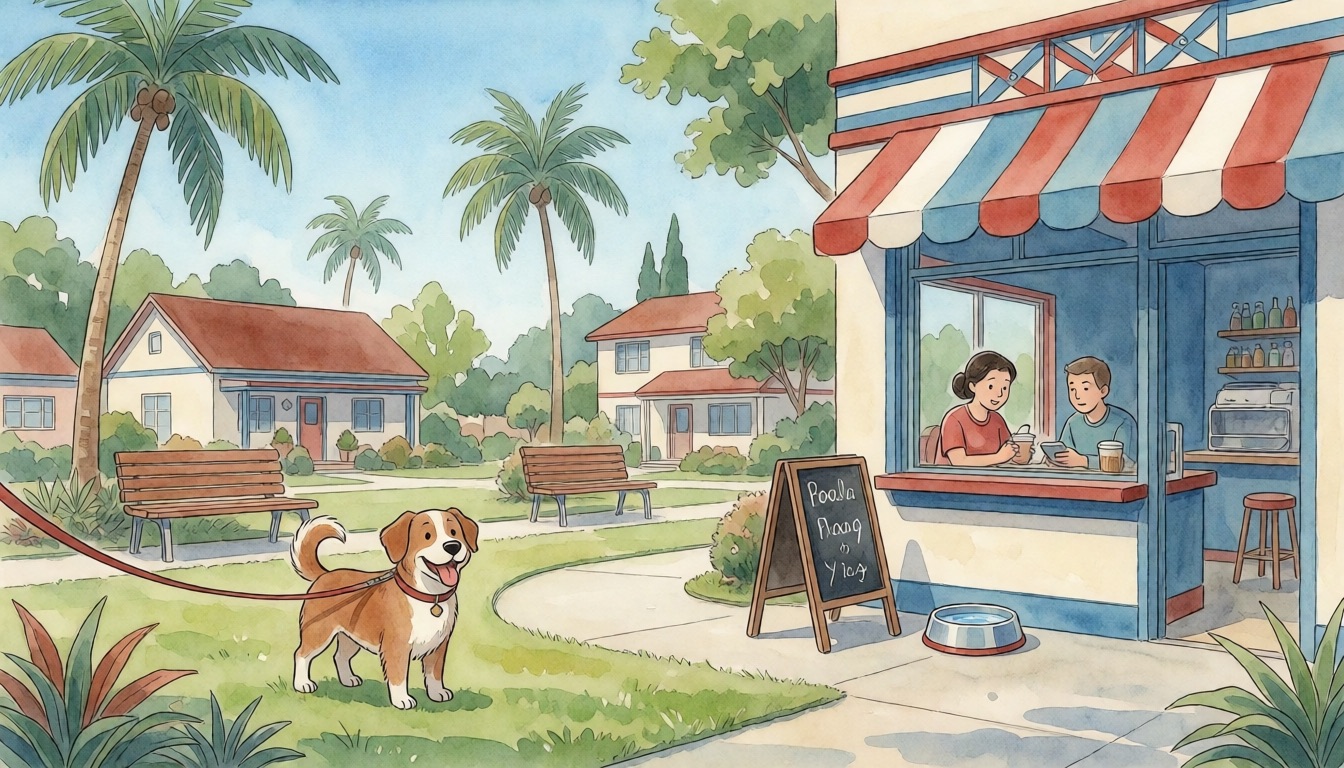
If you're moving to Coral Springs from a colder part of the country, the climate will likely be one of your favorite adjustments — and a few things worth planning for. South Florida's warm, humid weather shapes daily life here, from wardrobe to weekend plans.
A Warm, Tropical Climate Year-Round
Coral Springs sits in a warm, tropical part of Florida. You can expect plenty of sunshine, high humidity in the warmer months, and mild, pleasant winters. Snow simply isn't part of the picture. For newcomers, that usually means:
- Trading heavy winter coats for light layers and rain gear
- Air conditioning as a year-round essential, not a summer luxury
- Outdoor activities available in every season
The Two Seasons: Dry and Wet
Rather than four distinct seasons, South Florida really has two: a dry season and a wet season.
Dry Season (roughly November–April)
These are the months many residents love most. Days are warm and comfortable, humidity drops, and rain is infrequent. Winter and early spring bring the most agreeable weather of the year — ideal for exploring parks, patios, and the many outdoor activities the area is known for.
Wet Season (roughly May–October)
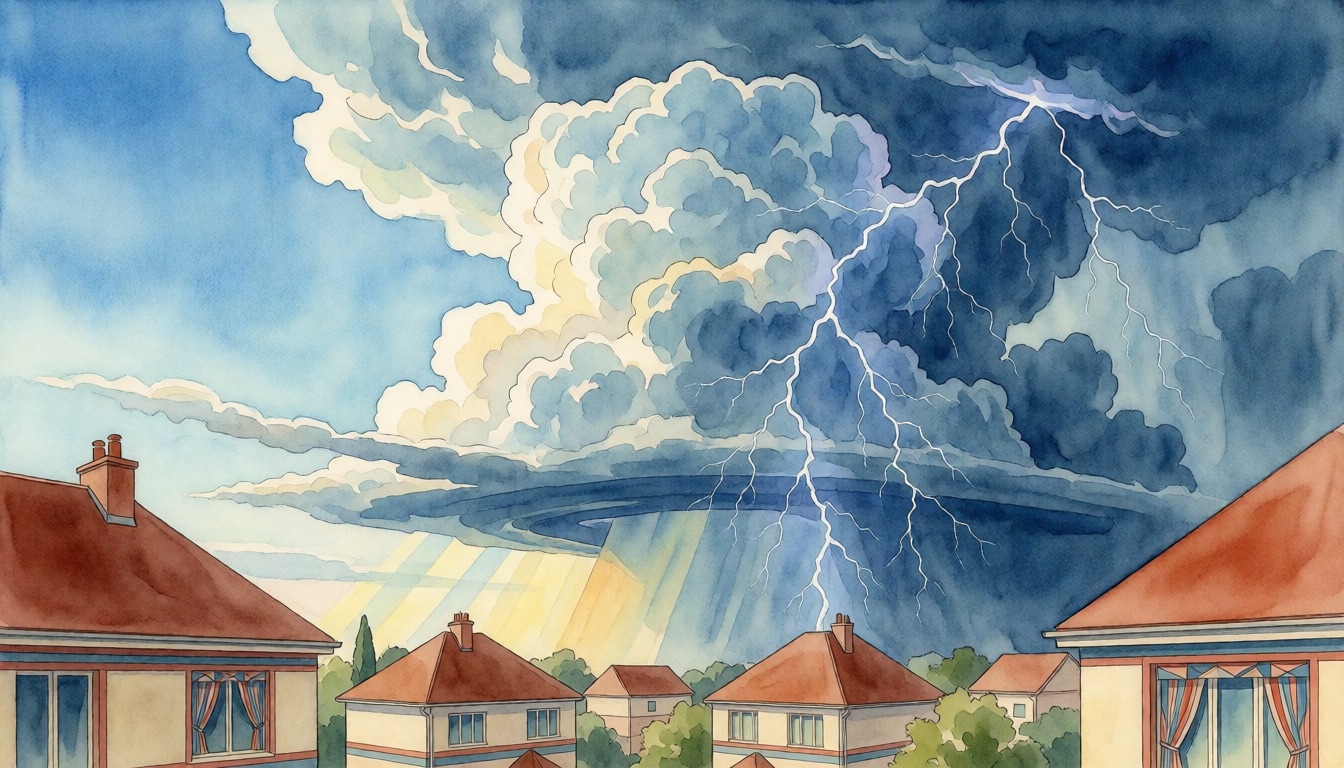
The warmer months bring higher humidity and a pattern of afternoon thunderstorms. These storms often roll in during the afternoon, pour heavily for a short while, and then clear — so a soggy morning forecast doesn't necessarily ruin the whole day. Keep an umbrella in the car and expect a bit more rain in the late-summer months especially.
Hurricane Season
Hurricane season in the Atlantic runs from June through November, with activity typically peaking in the late-summer and early-fall months. For most years this simply means staying informed, but every newcomer should treat preparedness seriously:
- Know your zone. Learn your evacuation zone and your rental community's plans.
- Build a basic kit. Water, non-perishable food, flashlights, batteries, medications, and important documents.
- Have a plan. Sign up for county emergency alerts and know how you'd communicate if power goes out.
- Ask about the building. When renting, it's fair to ask about shutters, impact windows, and how the property handles storm prep.
Preparedness is a normal part of Florida life, not a reason for alarm. Most residents settle into a simple seasonal routine and go about their lives.
What to Pack and Plan For
- Sun protection — sunscreen, hats, and sunglasses are year-round staples.
- Breathable clothing — lightweight, quick-drying fabrics beat heavy materials.
- Rain gear — a compact umbrella or rain jacket for wet-season afternoons.
- A light jacket — for the occasional cool winter evening and for heavily air-conditioned indoor spaces.
A Climate Built for Outdoor Living
The upside of all this warmth is a lifestyle centered on being outdoors. Community pools, tennis and pickleball courts, park trails, and the region's beaches are usable nearly year-round. Many newcomers find their weekends fill up quickly — you can see why in our outdoor recreation guide and city amenities guide.
Renting with the Climate in Mind
Weather is a bigger factor in a rental decision than many newcomers expect. Impact windows, a screened patio, good drainage, and reliable air conditioning all make a real difference in South Florida. Eduardo Gil and the Delivers Realty team can help you weigh these details as you compare rentals, so you land somewhere that's comfortable in every season. When you're ready, browse our current rentals.
Keep Exploring
- Moving to Coral Springs from Out of State
- Outdoor Recreation & Sports in Coral Springs
- Coral Springs Apartments & Rentals Guide
Trade the shoveling for sunshine — just keep an umbrella handy from late spring through fall.