Once your offer is accepted, the home inspection is your chance to look under the hood before you fully commit. It's one of the most valuable steps in the whole process — and one you shouldn't skip. Here's what to expect.
What a home inspection is
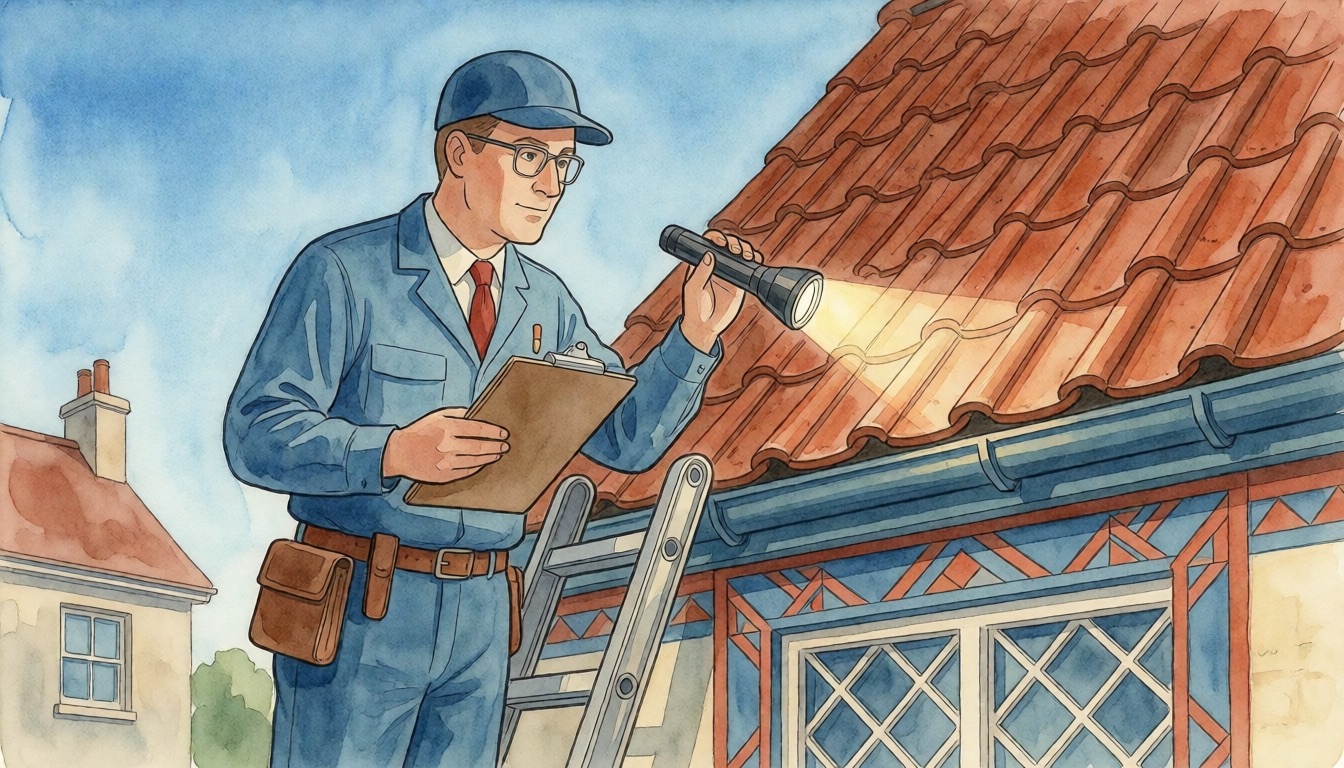
A home inspection is a professional, visual assessment of a property's condition. A licensed inspector spends a few hours examining the home's major systems and components, then gives you a detailed report. It's not a pass/fail test and it's not an appraisal (which estimates value) — it's a health check that helps you make an informed decision.
What inspectors typically check
A general inspection covers the accessible, visible parts of the home, including:
- Roof — condition, age, visible damage (a major concern in South Florida)
- Structure and foundation — cracks, settling, signs of movement
- Exterior — siding, grading, drainage, and water intrusion risks
- Plumbing — pipes, water heater, leaks, and water pressure
- Electrical — panel, wiring, outlets, and safety issues
- HVAC / air conditioning — critical here, and expensive to replace
- Interior — walls, floors, windows, doors, and stairs
- Attic and insulation — ventilation and moisture
- Appliances — basic operation of what's included
Inspectors generally don't open walls or move heavy items, so their assessment is limited to what's visible and accessible.
Specialty inspections common in Florida
In Florida, buyers often add inspections that go beyond the general one — some of which also affect insurance:
- Wind mitigation inspection — documents features like roof shape, roof-deck attachment, roof-to-wall connections, and impact-rated openings. These can qualify you for meaningful insurance discounts, so it often pays for itself.
- 4-point inspection — focuses on the roof, electrical, plumbing, and HVAC. Insurers commonly require it for older homes before they'll write a policy.
- Termite / WDO (wood-destroying organism) inspection — important in our warm, humid climate.
- Mold, pool/spa, or seawall inspections — depending on the property.
Ask your agent which specialty inspections make sense for the specific home. Because these tie into insurance, they're worth planning early — see how insurance fits into closing costs.
This is general education, not legal or professional advice. Confirm current insurance requirements with your insurer and a licensed inspector.
Reading the report
Your inspection report will list findings, often with photos and severity levels. Expect to see a mix of:
- Safety issues that should be addressed
- Major defects that could be costly (roof, systems, structure)
- Minor and cosmetic items that are normal in most homes
- Maintenance recommendations for the future
Almost no home is perfect, so don't panic over a long list. Focus on the big-ticket and safety items, and lean on your agent to put findings in context.
Negotiating repairs
The inspection often opens a round of negotiation. Depending on your contract and local norms, you might:
- Ask the seller to make repairs before closing
- Request a credit or price reduction so you can handle repairs yourself
- Accept the home as-is if the issues are minor
- Walk away, if your contract's inspection contingency allows and the problems are serious
How much leverage you have depends on your contract and the market. A strong agent helps you decide which battles are worth fighting — and this connects directly to how you structured your offer.
Why you shouldn't skip it
In competitive markets, some buyers are tempted to waive the inspection to make their offer more attractive. Understand the risk: you could inherit expensive, hidden problems with no recourse. If you feel pressure to waive it, talk with your agent about safer alternatives, like an information-only inspection.
Tips for inspection day
- Attend if you can — you'll learn a lot walking the home with the inspector
- Ask questions — inspectors are a great source of practical advice
- Take notes on maintenance, even for non-urgent items
- Read the whole report, not just the summary
Peace of mind before you commit
A good inspection turns unknowns into a clear picture, so you buy with confidence. Eduardo Gil and the Delivers Realty team help South Florida buyers arrange the right inspections, interpret the results, and negotiate smartly from there. To see where this fits, revisit our home buying process, step by step or the first-time home buyer's guide.