Renting in South Florida is a smooth process once you know the sequence — and it does follow a fairly predictable sequence. Whether you're eyeing a condo in Coral Springs or a townhome near Deerfield Beach, here's how to go from "just looking" to holding your own set of keys.
Step 1: Set a realistic budget
Start with the numbers, not the listings. A common rule of thumb is to keep rent at or below roughly 30% of your gross monthly income, though what's comfortable varies by household. Beyond rent itself, budget for:
- A security deposit (often around one month's rent, sometimes more)
- First month's rent, and sometimes last month's, due up front
- Application fees for each adult applicant
- Renters insurance, which many landlords now require
- Utilities and, in some communities, an association or amenity fee
Knowing your all-in number keeps you from falling for a place that stretches you thin.
Step 2: Search and shortlist
South Florida rentals range from big apartment communities to individually owned condos and single-family homes. Each has a different feel and a different approval path. Browse current rentals to get a sense of pricing in the neighborhoods you're considering, and read up on the two most popular areas we serve in the Coral Springs apartments guide and the Deerfield Beach apartments guide.
Make a shortlist of three to five places rather than trying to see everything — good units move quickly, especially in winter.
Step 3: Tour the units
See a place in person (or via a live video walkthrough) before committing. While you're there, check water pressure, look under sinks, test the A/C — which matters a lot in this climate — and notice how the building is maintained. Bring the questions to ask before signing a lease so nothing slips your mind.
Step 4: Submit your application
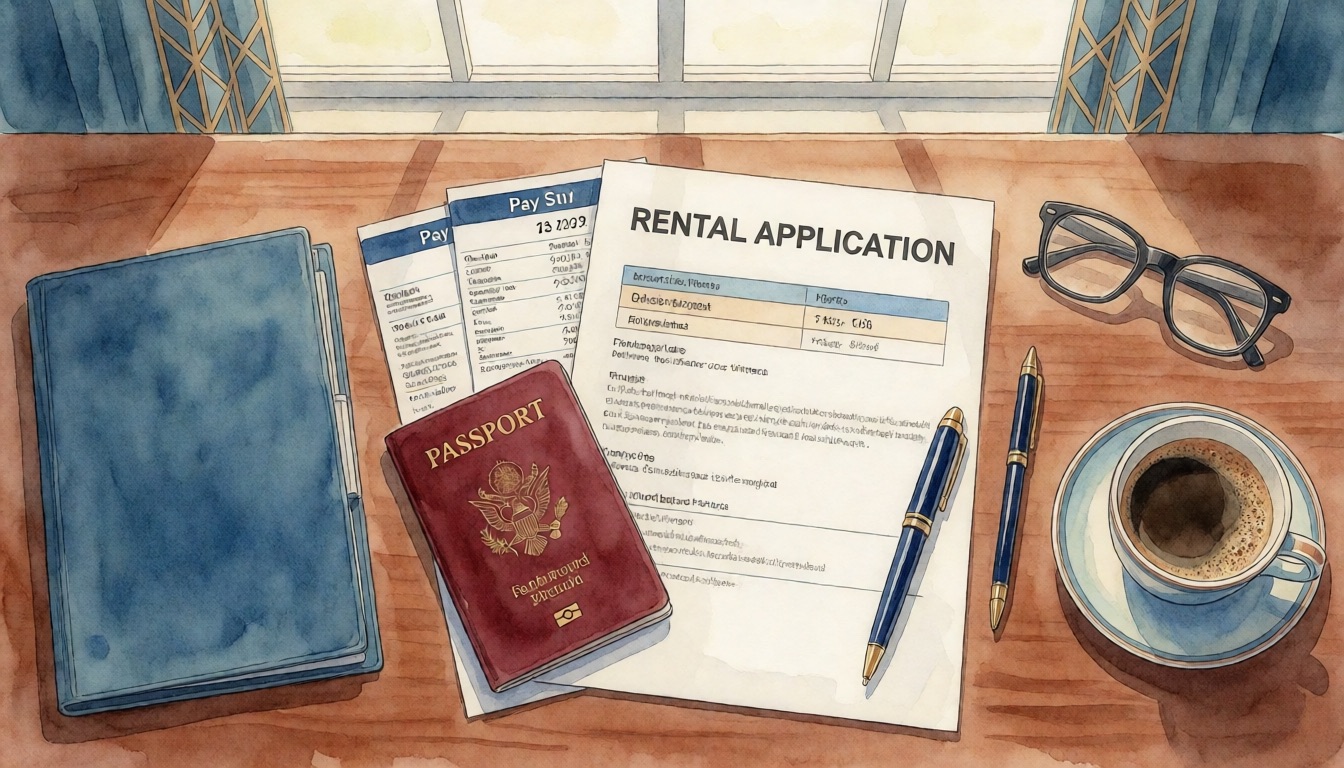
Once you've found the one, you'll fill out a rental application and consent to a credit and background check. Have your paperwork ready in advance so you can move fast — our guide to the documents you need to rent in Florida walks through exactly what to gather.
Step 5: Approval (and HOA/association approval)
Many South Florida rentals are condos or townhomes inside communities with a homeowners or condo association. That often adds a second layer: after the landlord approves you, the association may also need to approve the tenancy. This can involve a separate application, a fee, and sometimes an interview or orientation.
Association approval can take extra days or a couple of weeks, so factor that timing into your move date. A local agent who knows these communities can help you avoid surprises here.
Step 6: Deposits and the lease
When you're approved, you'll typically pay your deposit and first month's rent to hold the unit, then sign the lease. Read it carefully before you sign — our understanding your Florida lease guide explains the terms worth slowing down on, including deposit handling and notice periods. In Florida, landlords must follow specific rules for holding and returning security deposits, so keep copies of everything.
This is general guidance, not legal advice. Florida rental rules can change — confirm current requirements before you sign.
Step 7: Move-in day
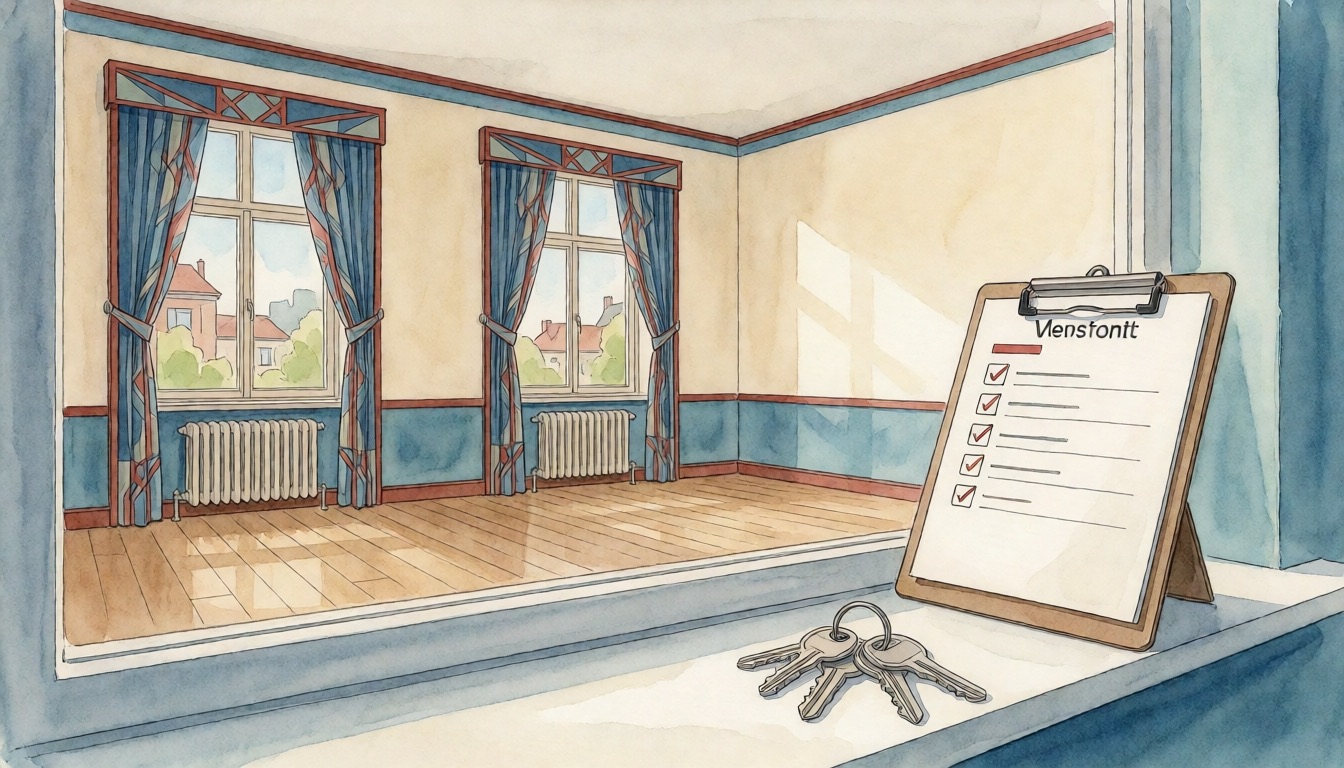
Before you unpack, do a move-in walkthrough and document the unit's condition with dated photos and a written checklist. Note any existing scuffs, stains, or damage and share it in writing with your landlord. This protects your deposit later by drawing a clear line between what was already there and normal wear versus anything new.
Then set up utilities, get renters insurance in place, and change your address.
A little local help goes a long way
Because so many South Florida rentals run through associations with their own quirks, having someone who knows the local process is a real advantage. Eduardo Gil and the team help renters navigate the whole path — from touring to association approval to move-in — in Coral Springs, Deerfield Beach, and across South Florida. When you're ready to start, we're happy to help you find the right fit.