Falling in love with a home is easy. Buying the right home takes a little more discipline. Here's a practical guide to what deserves your attention when you're touring properties, so you can look past the staging and see what you're really getting.
Location comes first
You can renovate a kitchen, but you can't move the house. Weigh the things that shape daily life:
- Commute and traffic — test the drive at the times you'd actually make it
- Schools — they affect both quality of life and resale value, even if you don't have kids
- Neighborhood feel — walk it at different times of day
- Noise and nuisances — nearby highways, flight paths, or businesses
- Flood zone — very relevant in South Florida, and it can affect insurance costs
Condition and the big-ticket items
Cosmetic issues are cheap to fix; structural and system issues are not. Pay special attention to the expensive stuff:
- Roof — age and condition (a major factor for Florida insurance)
- HVAC / air conditioning — essential and costly here
- Plumbing and electrical — signs of age or amateur work
- Foundation and walls — cracks, uneven floors, sticking doors
- Windows and doors — impact-rated windows are a plus in our region
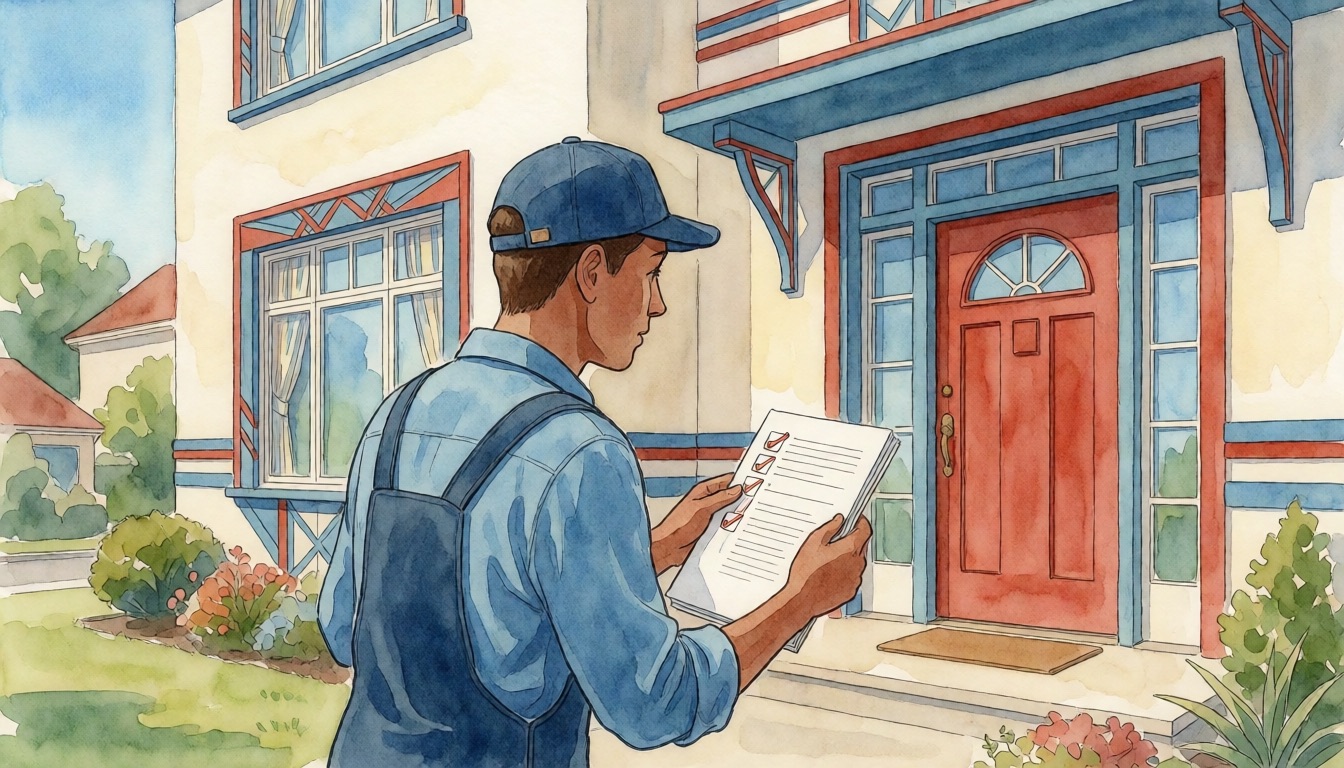
A full home inspection will confirm the details, but your own eyes can flag concerns early.
Watch for red flags
Some warning signs are easy to spot on a tour:
- Fresh paint in only one spot (sometimes hiding stains or damage)
- Water marks on ceilings or musty smells (possible leaks or mold)
- Doors and windows that don't close properly
- DIY repairs that look off
- A lingering "for sale" history — ask why previous deals fell through
None of these are automatic dealbreakers, but they're worth investigating.
Layout and livability
A home can check every box on paper and still feel wrong. Consider:
- Does the flow work for how you actually live?
- Enough bedrooms and bathrooms for now and the near future?
- Natural light, storage, and outdoor space
- Kitchen and gathering areas sized for your lifestyle
Try to picture an ordinary Tuesday there, not just a housewarming party.
Think about resale from day one
Even your "forever home" may sell someday. Homes with broad appeal — good layouts, desirable locations, and features most buyers want — tend to hold value better. Be cautious about highly unusual features or over-improvements for the neighborhood. If you're comparing property types, our guide on buying a condo vs. a house covers how each tends to perform.
HOA and association considerations
Many South Florida homes — especially condos and townhomes — sit within a homeowners or condo association. Before you commit, understand:
- Monthly fees and what they cover
- Rules on pets, rentals, parking, and exterior changes
- The community's financial health and any special assessments (one-time charges for big repairs)
- Whether the association must approve you as a buyer
These factors affect both your monthly budget and your flexibility, so ask early.
Bring the right questions
When touring, don't be shy about asking:
- How old are the roof, A/C, and water heater?
- Have there been any insurance claims or storm damage?
- What are the typical monthly costs (taxes, insurance, HOA, utilities)?
- Why is the seller moving?
This is general guidance, not legal advice. Verify property details, flood zones, and association documents before you buy.
A local eye makes the difference
Knowing what to look for is half the battle; having someone who's seen hundreds of homes is the other half. Eduardo Gil and the Delivers Realty team help buyers spot both the gems and the red flags across South Florida. When you're ready to organize your search, our step-by-step home buying process shows how it all fits together.