Finding a rental you'll be happy in is part detective work, part planning. The best time to catch problems is before you sign, while you still have leverage and other options. Use this guide to inspect the home, read the lease clearly, spot red flags, and budget for the true cost — so your new place feels right long after move-in day.
Inspect the unit's condition
Photos flatter; visit in person and look closely. Test things, don't just glance at them.
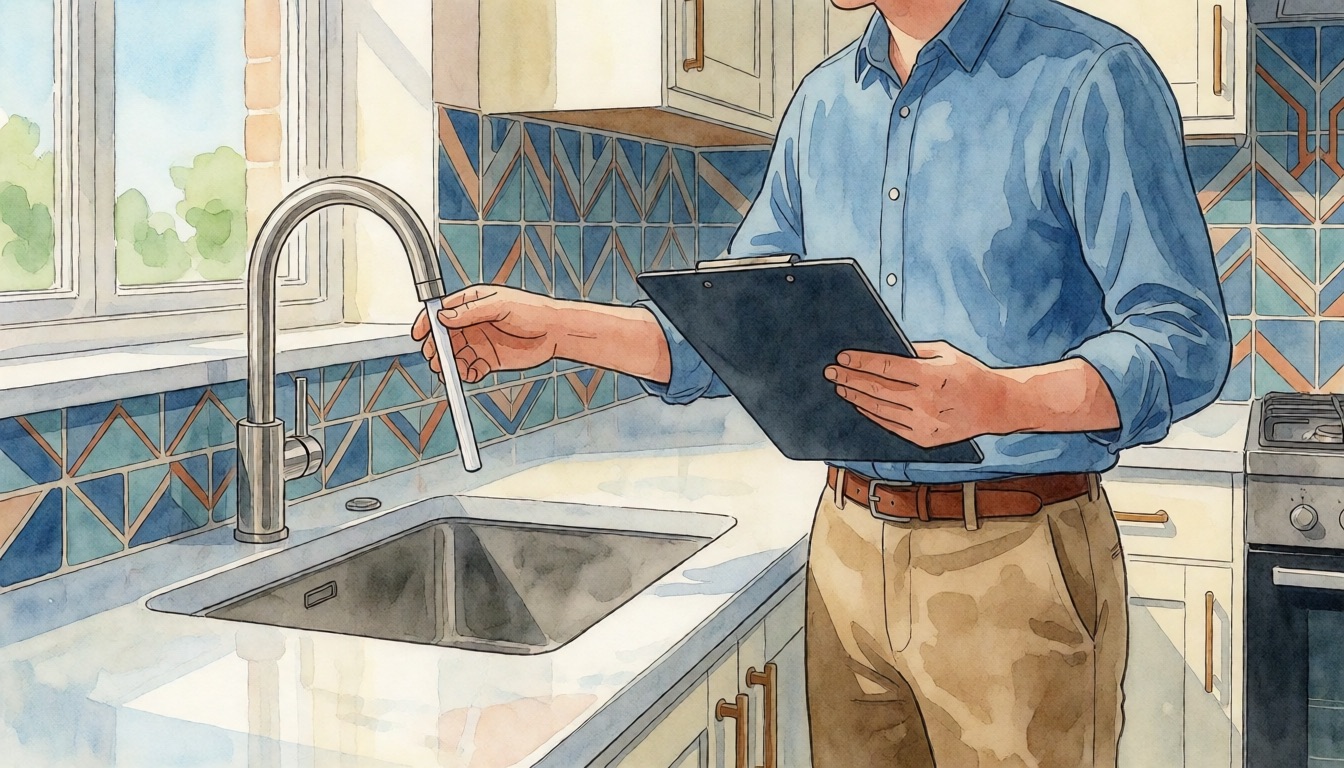
- Run faucets and showers to check water pressure and hot water.
- Turn on the A/C and note its age and last service — it's essential in this climate.
- Check for signs of moisture: water stains, mildew smell, or soft spots (mold is a real concern in Florida).
- Open and close windows and doors; look for working locks and intact screens.
- Test appliances, outlets, and light switches.
- Note what's included: appliances, window coverings, ceiling fans, washer/dryer.
Whatever you find, document it — photos and a written move-in checklist protect your deposit later.
Read the lease terms carefully
The lease governs your next year (or more), so understand it before you sign.
- Length and renewal — how long is the term, and does it renew automatically?
- Rent and payment — amount, due date, accepted methods, and late-fee rules.
- Security deposit — how much, and the conditions for getting it back.
- Ending early — what it costs to break the lease, and the notice you must give.
- Responsibilities — who handles lawn care, pest control, filters, and minor repairs.
- Policies — rules on pets, guests, subletting, and alterations.
Get every promise in writing in the lease itself — verbal assurances are hard to enforce.
Understand HOA and association rules
A huge share of South Florida rentals are condos and townhomes, where the community's rules can shape daily life as much as the lease. Many require separate association approval before you can move in.
- Ask whether association approval is needed, how long it takes, and whether there's a fee or interview — it can add real time to your move-in.
- Learn the rules on parking, guests, pets, noise, and amenity use.
- Confirm which amenities you can use and whether any cost extra.
Watch for red flags
Trust your instincts and treat these as reasons to slow down:
- A landlord who won't let you see the actual unit, rushes you, or pressures a deposit before you've toured.
- Requests to wire money or pay by gift card, or to pay before signing a lease — classic rental-scam signs.
- A listing priced far below similar homes (too good to be true usually is).
- Deferred maintenance everywhere, or vague answers about who handles repairs.
- Reluctance to put agreements in writing.
Verify you're dealing with the true owner or an authorized manager, and never send money before you've seen the unit and a real lease.
Questions worth asking
- Which utilities am I responsible for, and roughly what do they run?
- How do I request repairs, and how fast are they typically handled? Is there emergency maintenance?
- Who's my point of contact — owner, property manager, or company?
- Is renters insurance required, and what proof do you need?
- What's the parking situation, and is the unit in a flood-prone area?
Budget for the real cost
Rent is just the headline. Plan for the full monthly and upfront picture:
- Upfront: first month, often last month, a security deposit, and any application or association fees.
- Monthly: rent plus utilities, internet, and any amenity, parking, or pet fees.
- Renters insurance, which is affordable and often required — and worth having regardless.
- A cushion for utility swings, since summer A/C use runs high in South Florida.
A common guideline is to keep rent around a manageable share of your income, but the real test is whether the total fits comfortably alongside your other expenses and savings.
Rent with confidence
Do the homework — inspect carefully, read the lease, ask questions, and budget honestly — and you'll sign knowing what you're getting. It also helps to know your rights before you commit; see our guide to tenant rights and responsibilities in Florida. If you're still weighing whether to rent at all, renting vs. buying walks through the trade-offs.
Eduardo Gil and the Delivers Realty team help renters find the right fit across Coral Springs, Deerfield Beach, and greater South Florida — including navigating association approvals that trip up first-timers.
This is general guidance, not legal advice. Lease terms and community rules vary — confirm the specifics of your lease and current Florida rules before signing.